
Massive Drone Fines in Malaysia: What Casual Pilots Risk
Flying without CAAM approval could cost up to RM50,000 or jail time. Learn the real penalties casual drone operators face under Malaysian law today.
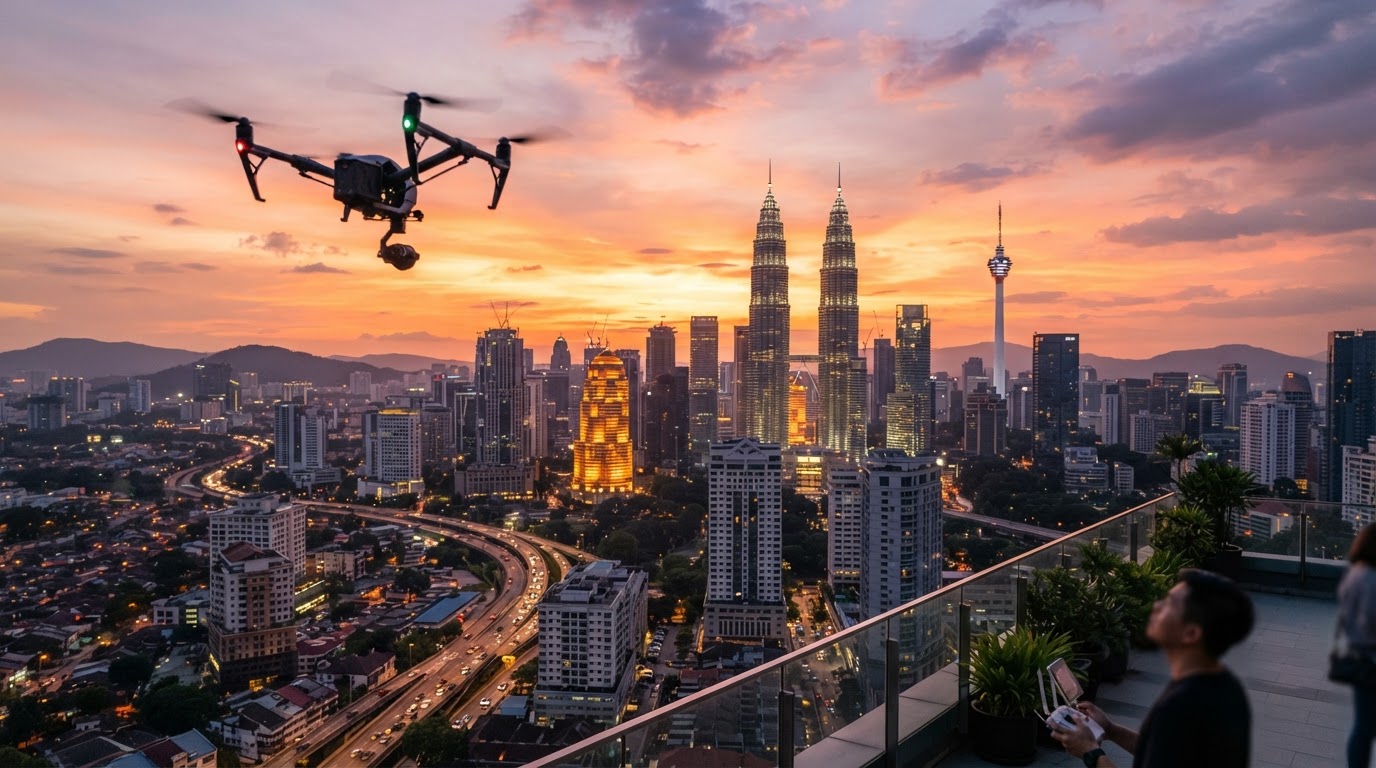
Every weekend across Dataran Merdeka, Putrajaya Lake, and the beaches of Penang, dozens of hobbyists unpack sleek camera drones to capture stunning skyline panoramas. Most believe their sub-250-gram quadcopter qualifies as a harmless toy, exempt from bureaucratic oversight. In reality, launching an unmanned aircraft without understanding statutory airspace restrictions exposes you directly to a massive drone flying fine malaysia magistrates do not hesitate to enforce when enforcement units clamp down.
Under Malaysian law, civil airspace is guarded with absolute seriousness. Whether you fly a high-end enterprise rig or a pocket-sized foldable drone, stepping outside legal parameters shifts you from casual flyer to aviation law offender in an instant.
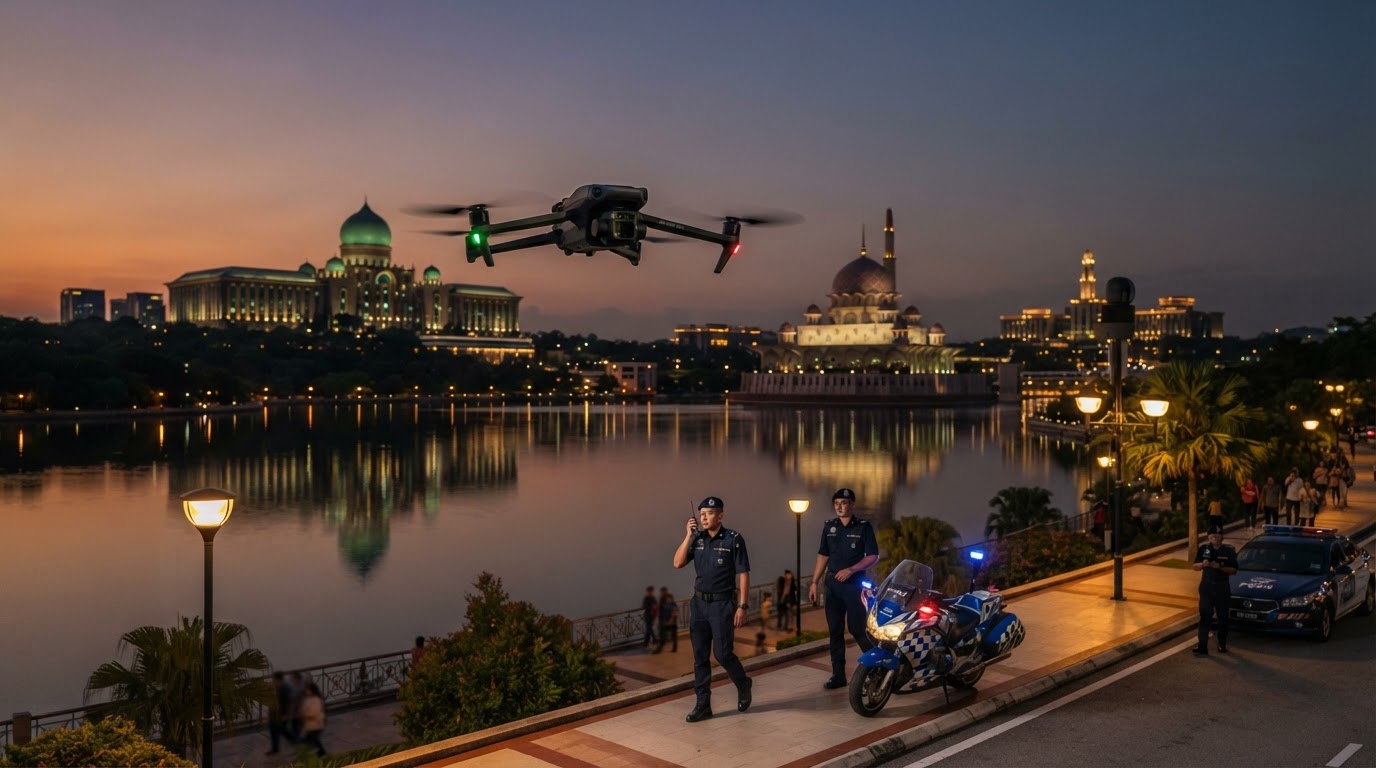
The Legal Backbone: Regulations 140 to 144 Explained
The legal framework governing unmanned aircraft systems (UAS) falls squarely under the Civil Aviation Authority of Malaysia (CAAM). Specifically, Part XVI of the Civil Aviation Regulations 2016 (MCAR 2016)—encompassing Regulations 140 through 144—lays down explicit boundaries that catch most recreational pilots unawares.
Here is how the malaysia civil aviation regulations drone framework categorises and restricts flight:
- Regulation 140 (Small Unmanned Aircraft): Defines aircraft weighing 20 kilograms or less without fuel. While it provides baseline parameters, it does not offer an unrestricted green light for casual park flights.
- Regulation 141 (Small Unmanned Surveillance Aircraft): This applies to virtually every consumer drone equipped with a camera or sensor capable of capturing imagery. If your drone carries visual recording gear, strict separation minimums instantly apply.
- Regulation 142 to 144 (Commercial Operations & Approvals): Details the explicit authorisation required before conducting any flight that provides specialised aerial services or operations inside controlled airspace.
Crucially, under Regulation 141, you cannot fly a surveillance-equipped drone within 150 metres of any congested area, within 150 metres of an open-air assembly of more than 1,000 persons, or within 50 metres of any person, vessel, vehicle, or structure not under your direct control.
The Real Numbers: What Is the Drone Flying Fine Malaysia Imposes?
Many casual pilots believe that getting caught simply means being told to land by a security guard or local municipal officer. Under statutory law, enforcement powers are far broader. Royal Malaysia Police (PDRM) and CAAM enforcement officers have the statutory power to confiscate equipment, detain operators, and refer cases to the public prosecutor.
Penalties are dictated by Regulation 206 of the Civil Aviation Regulations 2016, and the financial liability is severe:
| Offence Category | Governing Regulation | Maximum Individual Penalty | Maximum Corporate Penalty |
|---|---|---|---|
| Unauthorised flight in controlled/congested airspace | Regulation 140 / 141 | Fine up to RM50,000 / up to 3 years jail / both | Fine up to RM100,000 |
| Flying without aerial surveillance clearance | Regulation 141 | Fine up to RM50,000 / up to 3 years jail / both | Fine up to RM100,000 |
| Operating commercial work without authorization | Regulation 142 / 144 | Fine up to RM50,000 / up to 3 years jail / both | Fine up to RM100,000 |
| Subsequent repeat offences | Regulation 206(2) | Fine up to RM100,000 / up to 5 years jail / both | Fine up to RM250,000 |
Facing a fine that equals the price of a brand-new saloon car is a catastrophic wake-up call for someone who merely wanted a 30-second reel for social media.
Common Traps Leading to Flying Drone Without Permit Malaysia Charges
During our field operations across commercial flight corridors, certified teams routinely encounter recreational pilots inadvertently committing multiple statutory offences simultaneously. Flying drone without permit malaysia authorities notice usually happens due to four common oversights:
1. Flying Near Controlled Aerodromes
Aerodrome protection zones extend much farther than casual hobbyists assume. Flying near Subang Airport (Sultan Abdul Aziz Shah), KLIA, Penang International Airport, or military installations like RMAF Subang easily breaches strictly prohibited Class C or D airspace. An unauthorized drone within aerodrome traffic zones poses fatal collision hazards to commercial aviation, resulting in immediate criminal investigation rather than simple warnings.
2. Operating Over Crowds and Public Events
Carnivals, music festivals, open houses, and political rallies present enticing aerial perspectives. However, operating within 150 metres of an open gathering exceeding 1,000 people is illegal without explicit, formal CAAM exemption. A sudden motor failure, bird strike, or lost link return-to-home sequence over an open crowd can cause grave physical injury.
3. Misunderstanding the Weight Exemption Myth
International marketing often touts the "249-gram rule", leading buyers to assume drones like the DJI Mini series require zero approvals anywhere. In Malaysia, while sub-250g airframes escape certain registration requirements in other jurisdictions, CAAM regulations regarding surveillance equipment, privacy, congested spaces, and maximum operating ceilings (400 feet / 122 metres AGL) still strictly apply.

Beyond CAAM: JUPEM, MCMC, and Property Laws
CAAM is not the only government body regulating aerial activity. Casual pilots often overlook complementary agency jurisdictions:
- Department of Survey and Mapping Malaysia (JUPEM): Capturing spatial imagery, photogrammetry data, or structural mapping without a valid JUPEM permit breaches national security protocols. Our comprehensive CAAM and JUPEM permit guide breaks down the step-by-step filings needed before camera drones legally capture topographic datasets.
- Malaysian Communications and Multimedia Commission (MCMC): Drones imported without SIRIM/MCMC compliance certifications violate radio frequency transmission regulations governed by the MCMC.
- Local Councils and Private Landowners: Local councils (such as DBKL or MBPJ) and land administrators (like Perbadanan Putrajaya) routinely enforce bylaws forbidding unauthorized drone takeoffs from municipal grounds, parks, or heritage squares.
When calculating the theoretical caam drone permit price, casual flyers often discover that the statutory application fees and processing lead times make casual ad-hoc commercial shooting unviable on their own. Filing formal CAAM applications entails specific operational risk assessments, technical documentation, and pre-approved flight boundaries.
Professional Aerial Media Versus Casual Liability
If your aerial filming is tied to business marketing, real estate listings, or client deliverables, operating as an uncertified recreational hobbyist voids insurance coverage and exposes both you and your client to joint liability. Corporate bodies face doubled statutory fines reaching RM100,000 under MCAR Regulation 206.
For projects demanding legal compliance, engaging certified operators specializing in professional aerial media production eliminates prosecution risk entirely. Commercial clients needing validated compliance can readily browse verified drone pilots who carry certified equipment, operational authorizations, and comprehensive third-party aviation liability insurance.
Protecting Yourself from Costly Aviation Offences
Avoiding a devastating drone flying fine malaysia courts enforce requires respecting aviation governance. Always check airspace designations using aeronautical charts before unpacking your aircraft, never exceed 400 feet above ground level, maintain unbroken visual line-of-sight (VLOS), and steer completely clear of crowds and aerodromes.
If you have a commercial project, survey task, or marketing shoot that falls into restricted airspace, do not take unnecessary statutory gambles. Post a drone job on DronePilot to connect with fully licensed, CAAM-compliant operators who handle permits, insurance, and flight safety professionally.
Frequently Asked Questions (FAQ)
Can I fly my sub-250g drone anywhere in Malaysia without a permit?
No. While lighter than 250 grams, drones fitted with cameras are classified as Small Unmanned Surveillance Aircraft under Regulation 141 of the Civil Aviation Regulations 2016. You are still barred from flying over congested areas, near airports, above 400 feet, or within 50 metres of uninvolved people.
What is the maximum fine for flying a drone without CAAM approval in Malaysia?
Under Regulation 206 of the Civil Aviation Regulations 2016, an individual convicted of flying without required authorisations faces a statutory fine of up to RM50,000, imprisonment for up to three years, or both. For corporate entities, the fine can reach RM100,000.
Do I need a permit from JUPEM if I am only taking recreational holiday photos?
Strictly speaking, JUPEM permits are required for surveying and systematic mapping of Malaysian territory. However, capturing detailed geospatial imagery or surveying infrastructure without clearance can trigger national security scrutiny, particularly near sensitive or gazetted zones.
How can commercial clients ensure an aerial shoot is fully legal in Malaysia?
Commercial clients should hire CAAM-authorised remote pilots who hold proper flight authorisations, maintain valid third-party liability insurance, and secure necessary JUPEM and local council approvals prior to takeoff.